When Memory Becomes History
Years after the 2006 July War, a gap has begun to emerge between a generation that lived through the war and a new generation that did not experience it or was still a child at the time. As time passes, this generation’s knowledge of the details of that period becomes dependent on the ability of those who experienced the event to transmit and preserve it.
Dr. Mohammad Awada believes that the importance of the researcher and historian lies in preserving the historical event and transmitting it faithfully to the following generation, because the absence of knowledge may leave younger generations facing successive events without understanding their context and causes.
The process of preservation is not limited to documents, as oral archives constitute an essential part of historical memory. A testimony that is recorded and transformed into written material becomes a source that can be referred to, preserving details that time may otherwise erase.
“Oral archives and converting them into written form are among the most important foundations for establishing the narrative.”
According to Awada, documenting the small details is what helps build the larger picture of the event and protects the historical heritage from disappearing or being distorted.What is preserved today does not remain merely a memory; rather, it becomes a source for future generations.
The July War… More Than a Battle
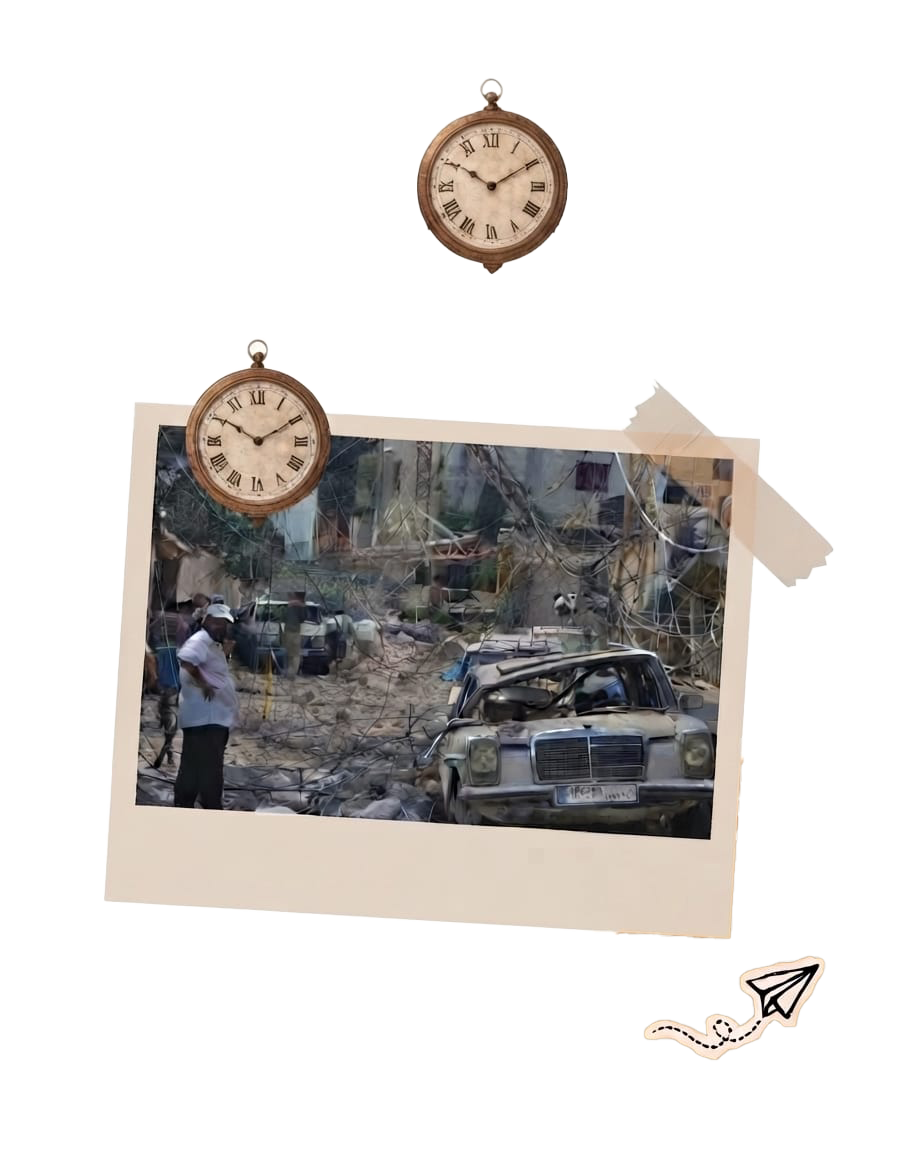
Many media outlets produced documentaries about the 2006 July War, most of which focused on the battles, military operations, and political context. However, the war was not only military; it also left human and social impacts experienced by displaced people, families, and workers in various sectors, particularly the healthcare sector.
Dr. Zeinab Sleem believes that these aspects deserve broader documentation, especially since there are people who are still alive and carry firsthand testimonies that can contribute to the memory of the war.
Today, the July War can be presented in a different way through interactive documentaries, where viewers are not required to follow a single story but can choose the angle they wish to explore: military, political, human, or social.
This content can also begin with a question posed by the new generation itself: What does it want to know about a war it did not experience? Perhaps the memory of the war does not need a single narrative, but rather multiple spaces that allow each testimony to tell one side of the story.
Media in 2006


Archive
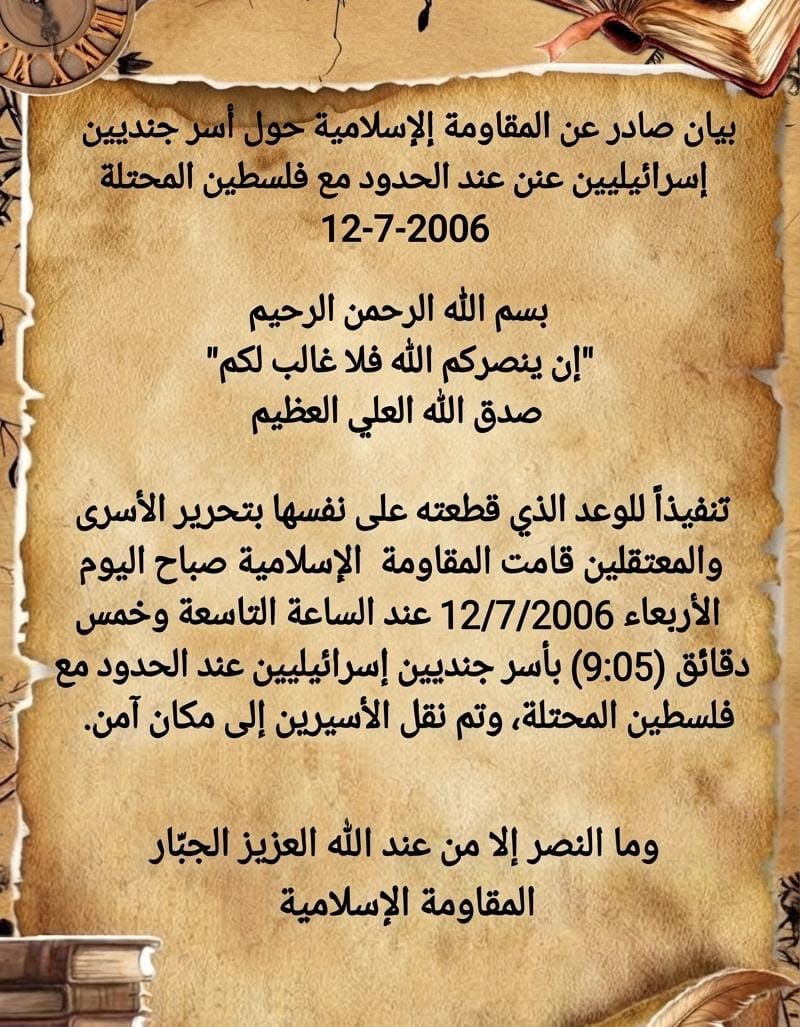
The First Operation
Press Release of the First Operation
Sayyed's Interviews
Hezbollah Missiles Toward Haifa
The Battleship Targeting
The Mujahidin's Message to Sayyed Nasrallah
July Victory Festival
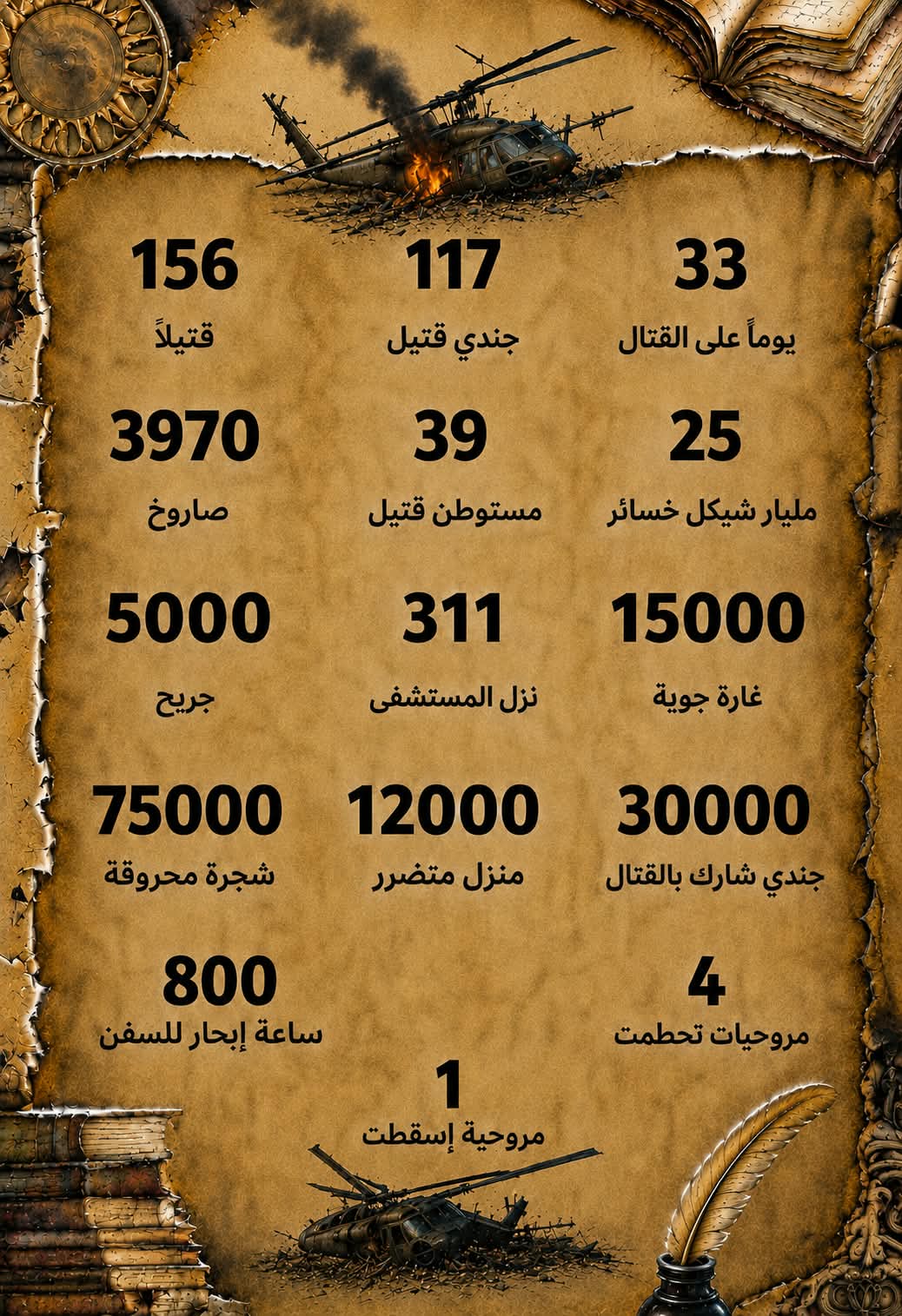
The Losses of the Israeli Enemy in 2006