Media in 2006

From the Voice of War to the Memory of the New Generation

During the 2006 July War, the battle was not fought only on the ground… the media had its own battle as well.

A Voice from the Heart of the Studio

Journalist Bouthaina Oleik was not a field reporter during the war; rather, she worked from inside the studio, providing daily live broadcasts to follow the developments and maintain the presence of the voice of the resistance despite the circumstances of the war.

“As long as we keep saying Al Nour Radio, that in itself is a message to the Israeli enemy.” -- Bouthaina Oleik

Al Nour Radio was a medium followed by fighters on the front lines, while messages were sent to the radio station from the field, revealing the importance of maintaining the broadcast in boosting morale and conveying the reality experienced by the fighters.

The Media… Part of the Battle

The media scene was not limited to radio. Al-Manar Television and War Media also took part, alongside the notable media presence of Sayyed Hassan Nasrallah through his speeches during the war.

Oleik believes that these speeches had a significant impact on the resistance’s audience and fighters, on both the military and political levels. But years later, another challenge emerged: how can the memory of the war be preserved? Misinformation and media warfare can affect people’s memory, even among those who lived through and followed the events, making the transmission of history to the new generation a fundamental responsibility.

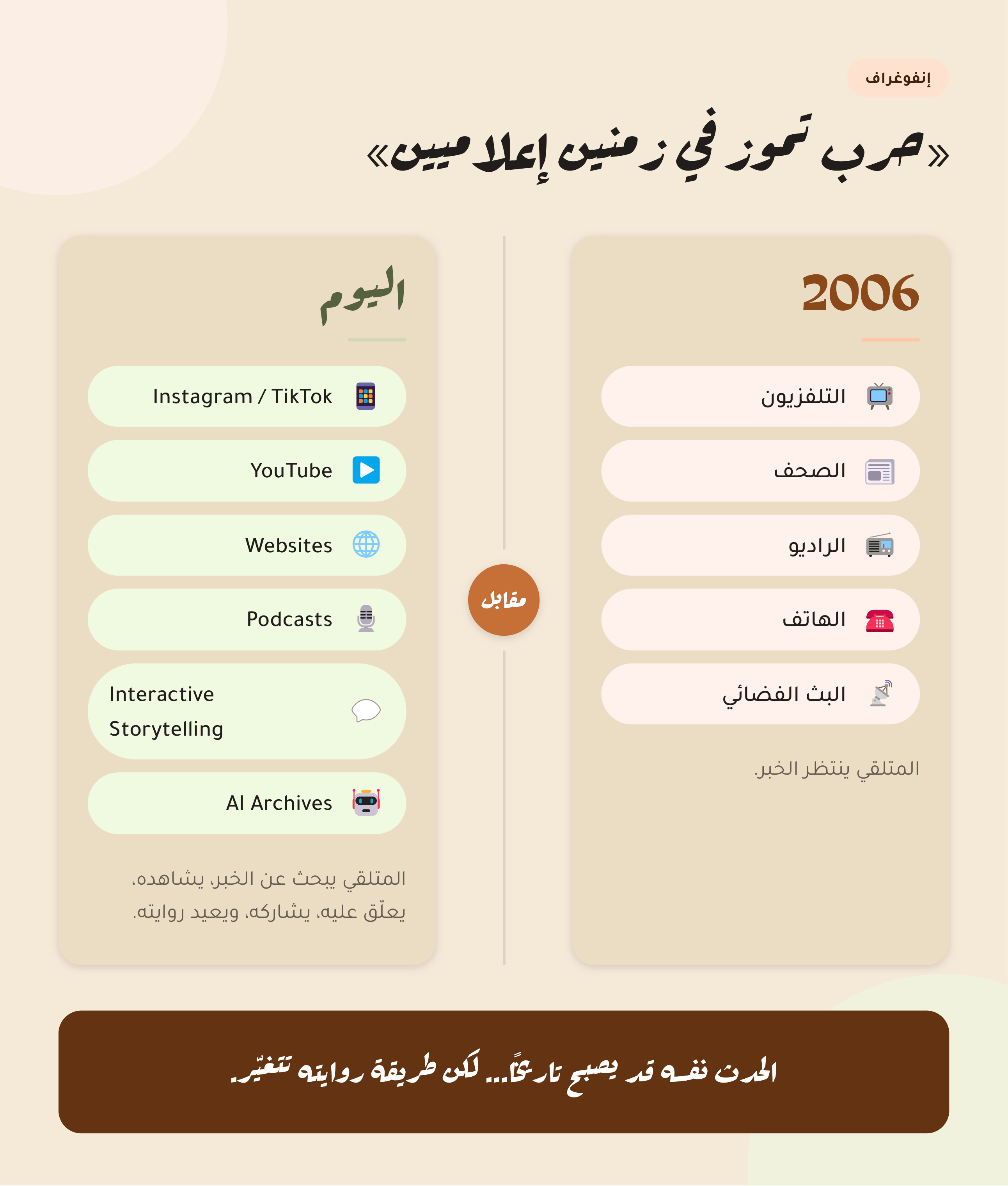
The Story Has Changed… and So Has the Platform

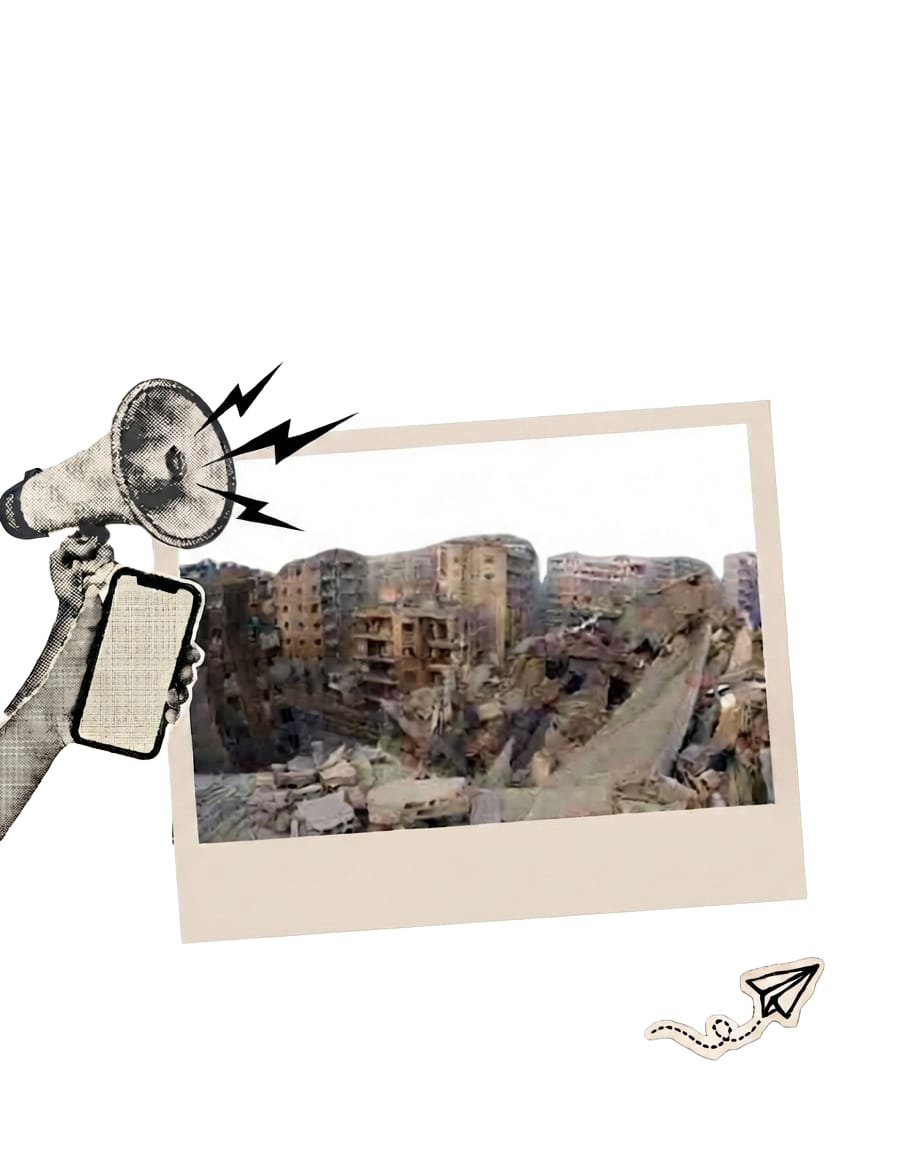
Today, the new generation no longer receives events in the same way. According to journalist Hassan Atieh, social media platforms and storytelling make it possible to present the July War in a style that is closer to young people who did not experience the war.

“Today, storytelling captures the attention of the new generation.” -- Hasan Atieh

An archival photograph, a short video, a speech, or a personal testimony can be transformed into a story that prompts a young person born after 2006 to ask: What happened that year? And what do these events mean today?

It is not only about conveying what happened, but also about understanding what the experience means and what the new generation can learn from it.

From a voice that once reached fighters on the front lines… to a phone screen through which history reaches a generation that did not experience the war. The medium changes, but memory still needs someone to carry it forward.

The New Generation

Batoul Bashir | A Displaced Memory of the July War

Batoul Bashir experienced the July 2006 War as a displaced person, recalling from those days scenes of displacement and destruction, but also moments of steadfastness that led her, in her memory, to view it as a “war of victory.”

She remembers how displaced people would gather in homes and listen to the speeches of Hezbollah’s then Secretary-General, Hassan Nasrallah, through radios in cars, even amid power outages. At one point during the war, when the targeting of an Israeli warship was announced, the displaced people went out onto the balconies, and applause rose from everywhere a scene in which Batoul captures the spirit of defiance and hope that people experienced at the time.

She believes that the resistance’s steadfastness throughout the 33 days, along with the commitment of its supporters to it, formed an essential part of the image of victory.

Twenty years later, Batoul carries a fear that the history of that period may be overlooked or misinterpreted, and she addresses her message to the new generation: “Preserve the history of the resistance; preserve the path of the Sayyed.”
Hanaa AbedalKarim | From the Memory of Displacement

Hanaa AbedalKarim experienced the July 2006 War as a displaced person, carrying with her from those days a memory of loss and steadfastness, along with memories of people who opened their homes and stood by the displaced.

Hanaa believes that the resistance was able to change the course of the confrontation and impose a new equation, while, in her view, the media appearances of Sayyed Hassan Nasrallah during the war played an important role in boosting morale and confronting psychological warfare.

Years later, Hanaa sums up her message to the new generation in the need to preserve the wills of the martyrs and remember their morals and patience, because memory, for her, does not preserve events alone; it preserves the human being who lived through them and left an unforgettable impact.

July 2006: An event that deserves to be retold

Infograph